An 11-Day Catholic Pilgrimage in the Footsteps of St. Francis — Assisi, La Verna, Siena & Greccio
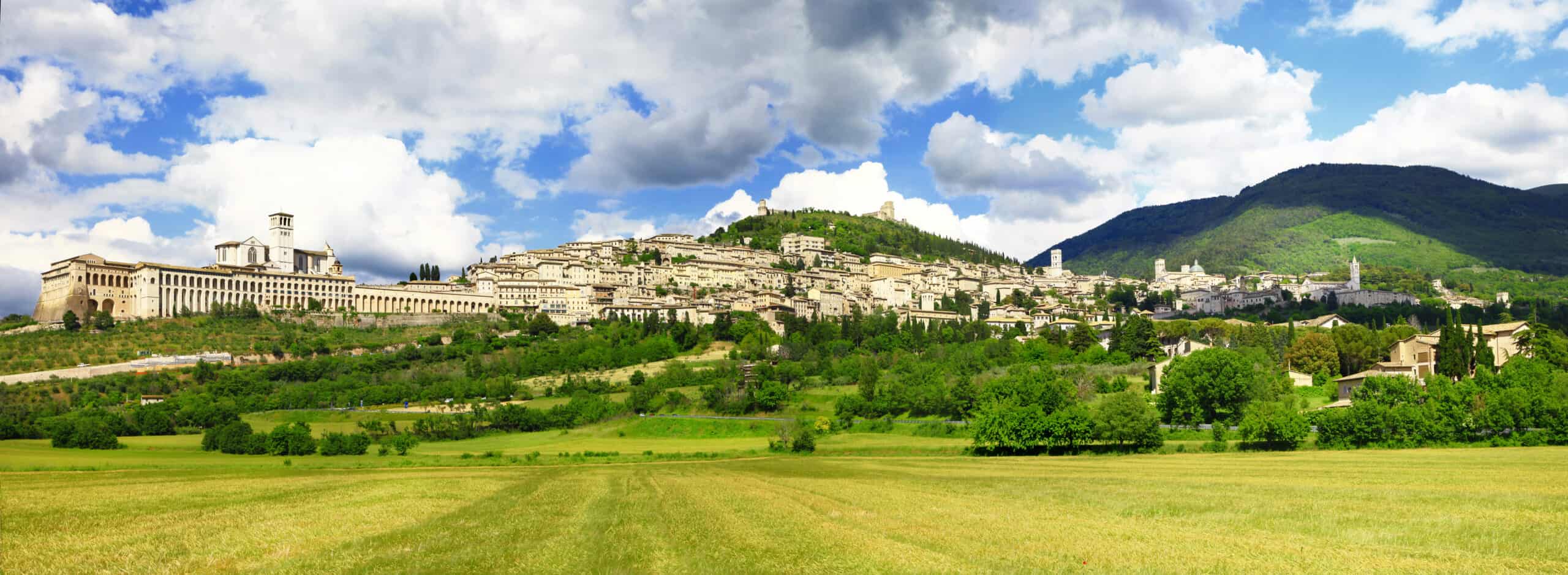
Almost every pilgrimage to Italy stops in Assisi. Very few stay. Six nights there, plus the mountain where he received the stigmata and the village where he built the first Christmas crib.
By coach throughout. Six nights based in Assisi with day trips to La Verna, Siena and the Carceri, then Greccio on the road south to Rome.
Rome · Assisi · La Verna · Siena · Greccio · Rome
La Verna, Siena and the Eremo delle Carceri are all reached from Assisi and returned to it. Greccio is visited on the transfer south.
Fourteen shrines in eleven days, six nights of them based in Assisi, with Mass in the shrine itself every day.
Built in 1615 directly over the house where Francis grew up. You can still see the room his father is said to have locked him in when he gave away the family cloth. Mass here on the first morning.
Her incorrupt body in the crypt, and the San Damiano crucifix before which Francis received his call, brought here by her sisters in 1257.
Six nights in Assisi means you go twice. Once for the Giotto cycle and the tomb, once more for Mass at the tomb on day five — which is the point of staying.
The mountain in the Tuscan Apennines where, in September 1224, St. Francis received the stigmata, two years before he died. A stone set into the chapel floor marks the spot. Mass on the mountain, and the day most groups name afterwards.
Named for the renunciation in the square outside, and now the resting place of the first millennial saint. The two ends of Franciscan Assisi, eight hundred years apart, in one church.
The chapel he repaired, where he clothed St. Clare and where he died on the bare earth. The rose garden and the cave he prayed in are behind it.
The relics of St. Catherine of Siena — Doctor of the Church, co-patroness of Europe, and the woman who told a pope to go home to Rome and was obeyed. Mass here.
Banded marble, a Pisano pulpit, an inlaid marble floor uncovered only weeks a year — then the sloping shell of the Campo outside.
Where Francis actually went to pray: a cave, a handful of cells cut in rock, and an ilex wood on the mountainside. Almost nothing to look at, and the reason six nights in Assisi is worth it. Mass at the hermitage.
The chapel where the crucifix spoke, rebuilt by his own hands, and afterwards the first monastery of St. Clare, where she lived for forty-one years and died.
On Christmas night in 1223 Francis set up a manger with an ox and an ass in a cave here so that people who could not read could see the Nativity. Every crèche in every parish in the world descends from that night. The chapel was built on the spot in 1228. Mass here.
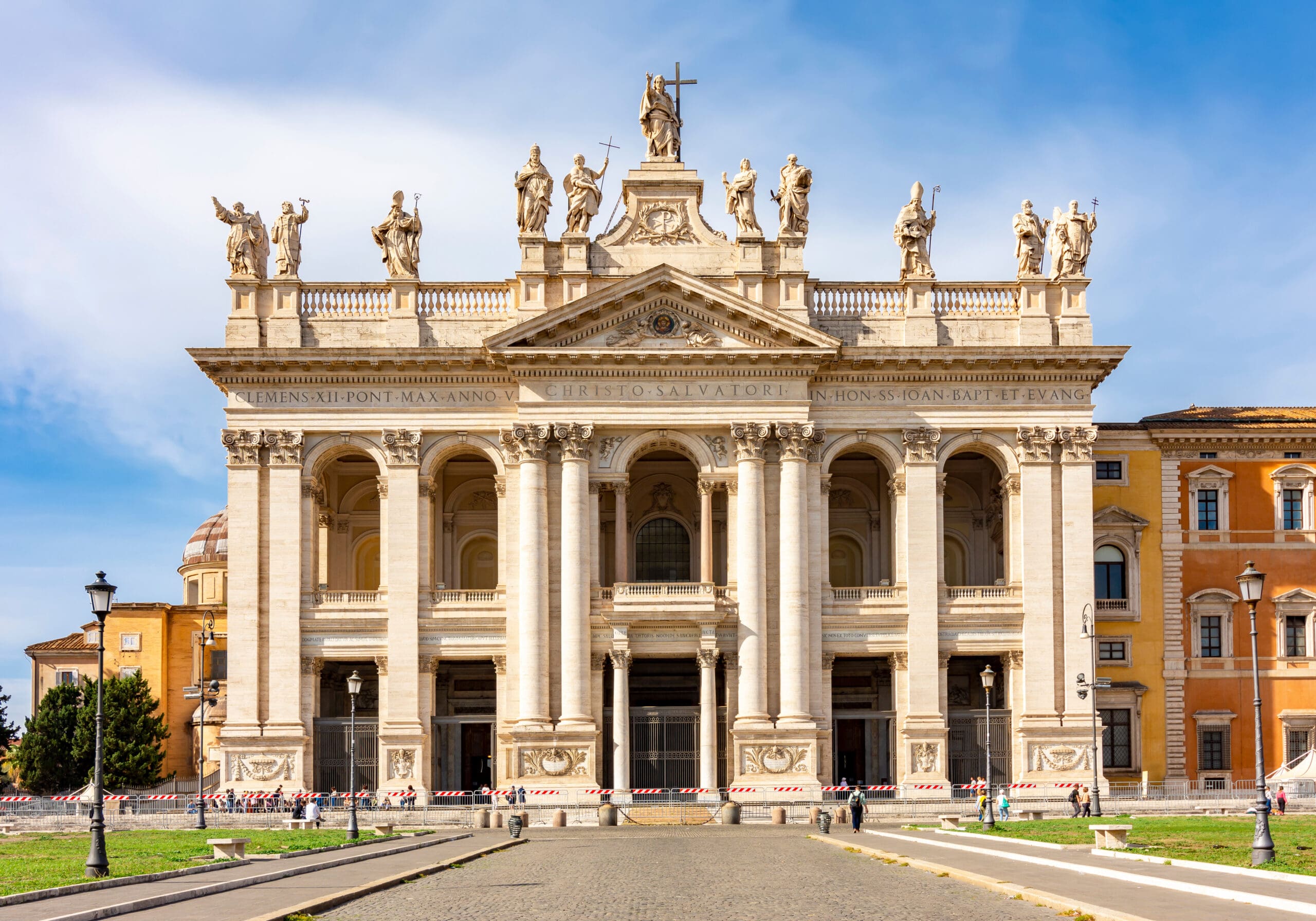
The cathedral of Rome, older than St. Peter’s as a church, and the Scala Santa opposite — twenty-eight steps still climbed on the knees.
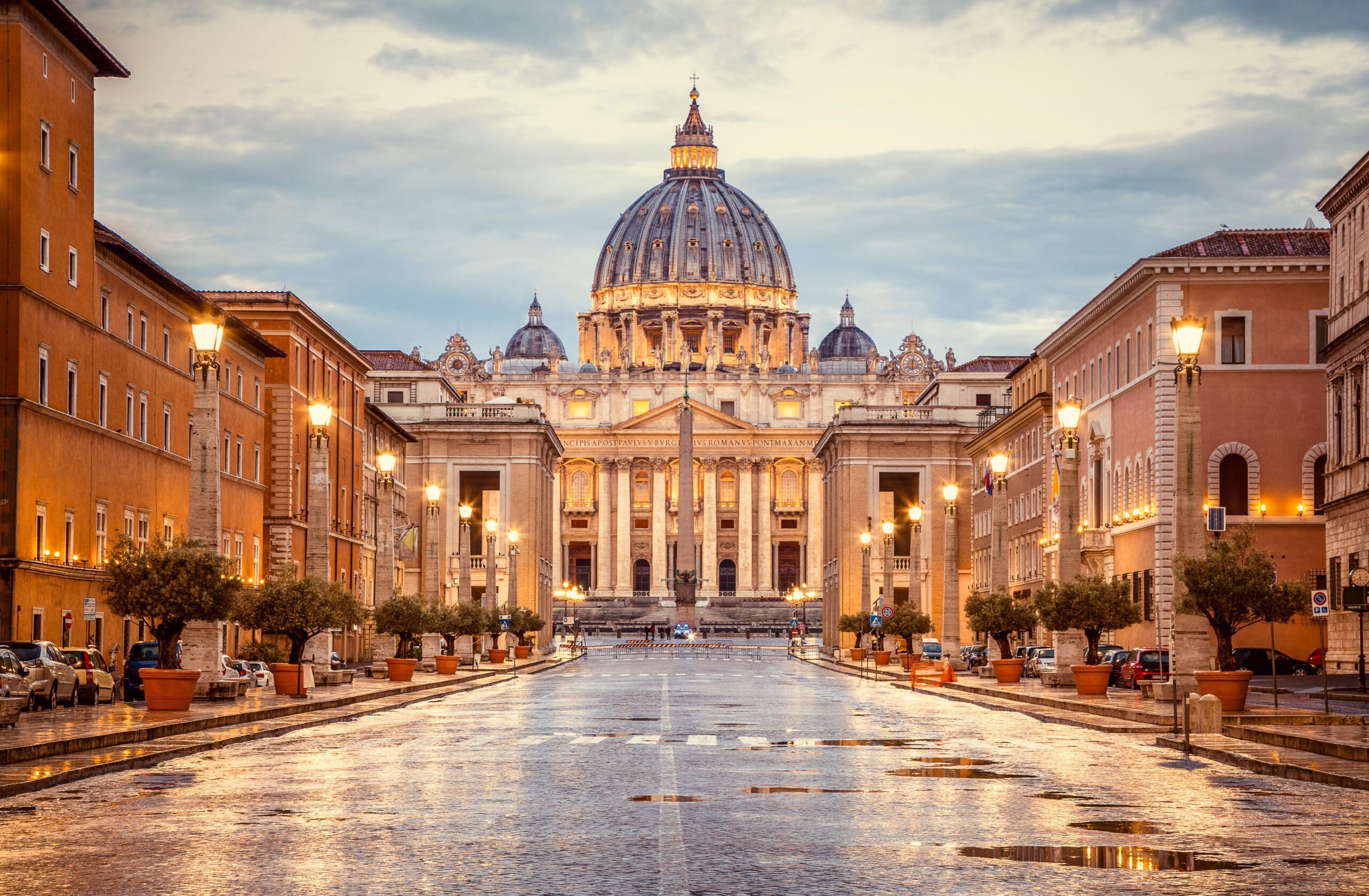
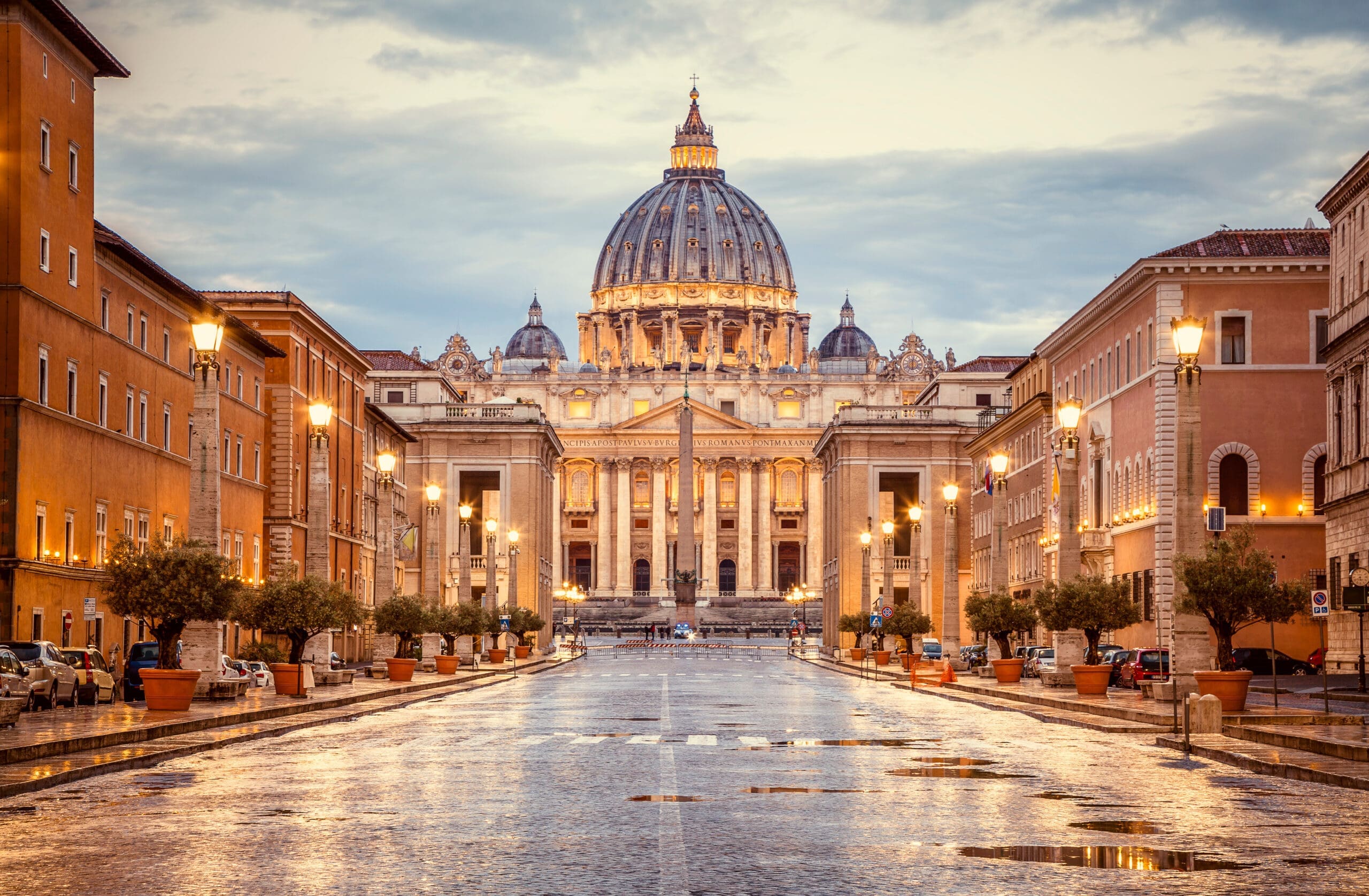
Fifth-century Marian mosaics and the tomb of Pope Francis; then the tomb of the Apostle Paul and the medallions of every pope in history.
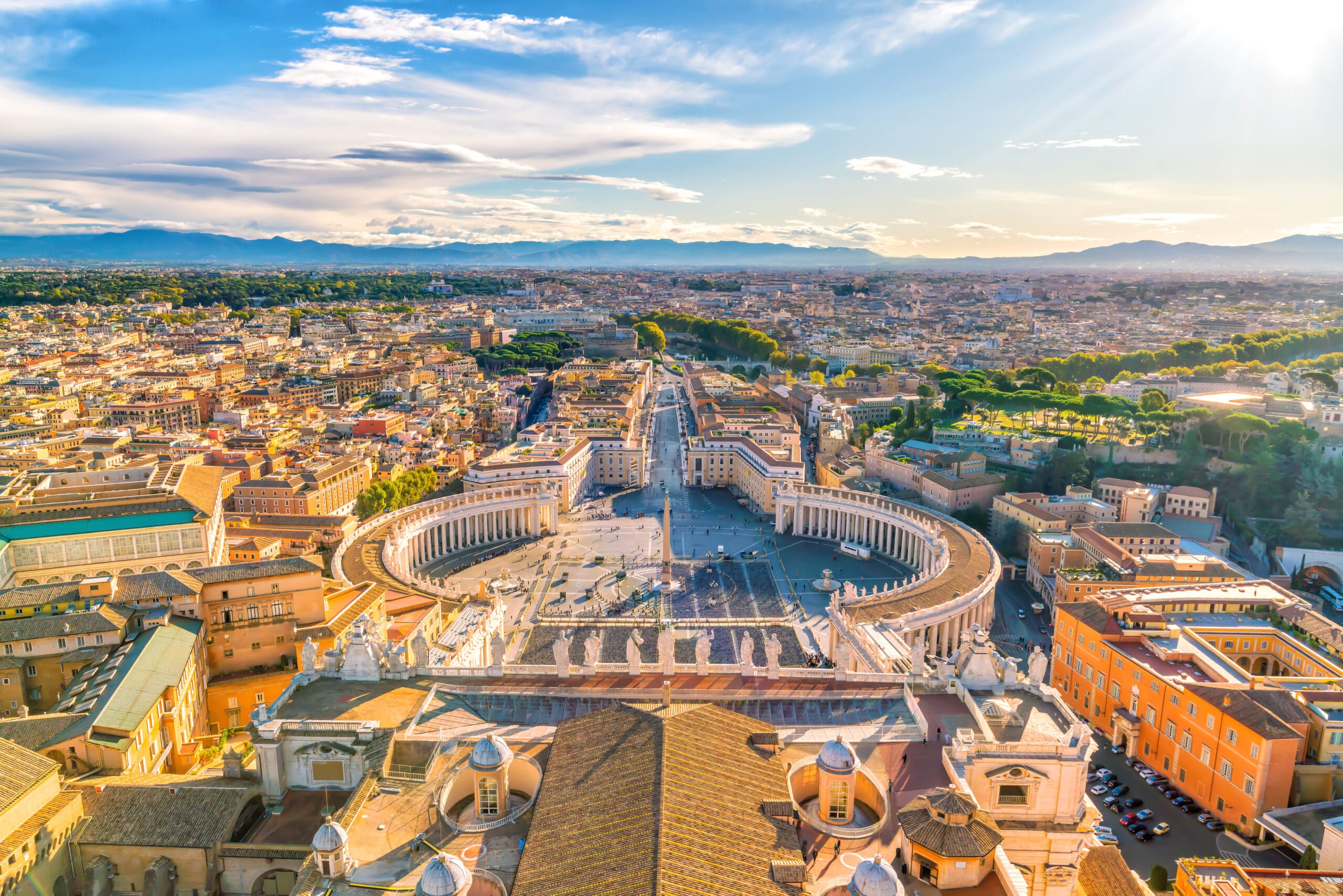
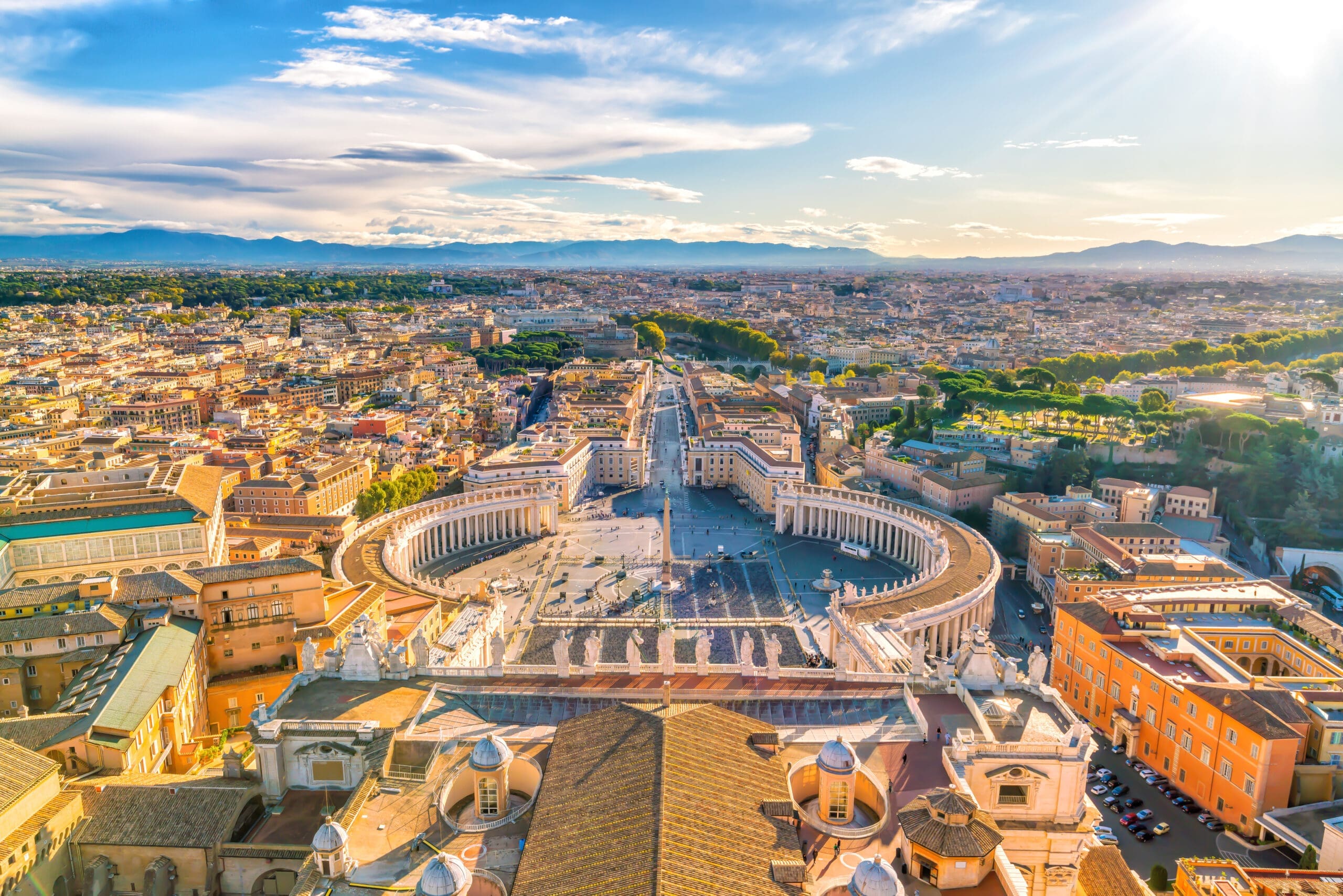
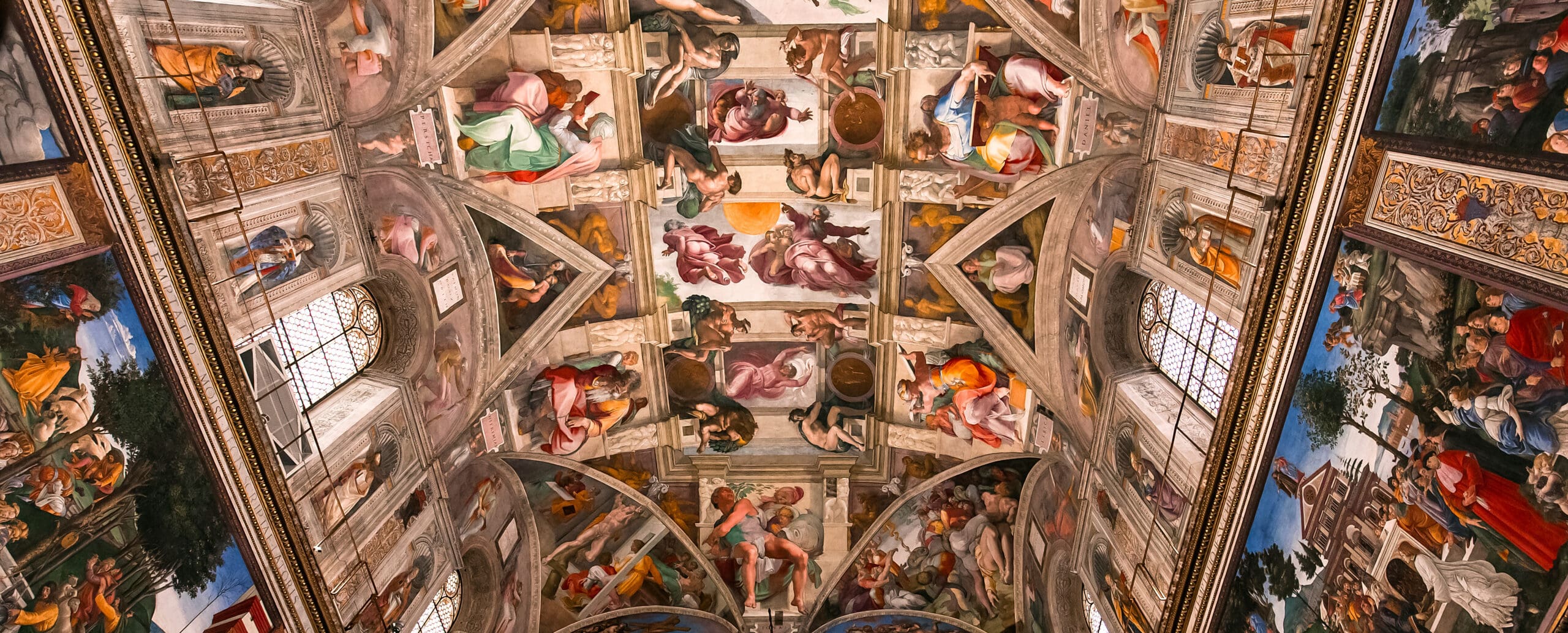
The Wednesday audience in the square, Mass near the Vatican, the Vatican Museums and Michelangelo’s ceiling, and a farewell dinner in Rome that evening.
Day by day, as we operate it. Six nights in Assisi and three in Rome. Your community travels on its own dates, and the itinerary can be adjusted around your chapter or feast calendar.
Tell us your window — a chapter, a jubilee, a formation year, or 16 July 2028 — and we build the route around it.
These inclusions can be easily tailored to the individual needs of your group
Every pilgrim in your group gets the app. Their itinerary, hotels and flights, the prayers of the day and a way to reach one another — in one place, and kept current as the pilgrimage unfolds.
Your whole group in one thread, so a change of plan reaches everyone at once.
The full day-by-day schedule, always current, in every pilgrim’s pocket.
Where the group is staying each night, with addresses and dates.
Flight details kept alongside everything else, not in a separate email.
The prayers of the day, including the Liturgy of the Hours.
A keepsake record of the shrines your group visits along the way.
Times and meeting points pushed to everyone the moment they change.
Published prices, deposits, group sizes and lead times — the numbers every group leader asks for first.
Our fifteen published Italy departures for 2026 to 2028 run from $4,395 to $6,850 per pilgrim, and the six ten-day departures currently on sale run $4,395 to $5,399. Length is the biggest driver, then your departure city and the time of year. A private group travelling on its own dates is priced individually — tell us your target per-person figure and we will build the itinerary to it rather than the other way round.
Four-star hotels, private motorcoach throughout, breakfast and dinner daily with wine at some dinners, a dedicated tour manager with your group from arrival to departure, licensed local Catholic guides and all admission fees, porterage at hotels, whisper headsets while touring, tips for hotel and restaurant staff, daily Mass booked in advance, the Canterbury mobile app, reservation support 9–5 ET and 24/7 emergency support while you are abroad.
Every published departure is priced from a named US gateway — the departure city is on each card — and we hold the group air contracts rather than leaving your pilgrims to book their own flights. Ask a consultant what the quoted price covers for the specific departure you are looking at, and we will put it in writing before you announce anything to your group.
Most of our groups run between 20 and 50 pilgrims. We arrange smaller tours as well, and at the other end we have organised pilgrimages for groups as large as 2,500 — so whatever size your group turns out to be, we can build for it.
Each pilgrim pays a $450 deposit when they register, of which $200 is non-refundable, and the balance 90 days before departure. Major events such as a beatification or World Youth Day sometimes run on a different schedule. No money moves through the parish — every pilgrim books and pays us directly, so you never hold a deposit or chase a balance.
Yes. Your place is earned by the group you bring and it comes from our suppliers rather than out of what your pilgrims pay. There is no deposit or financial guarantee from you, and if the group does not reach its minimum, final payments are never collected and deposits are returned. A fundraising amount can also be built into the price and returned to your parish.
Most groups start eight to thirteen months out, and waiting is the most common mistake we see. Registration normally closes 90 days before departure; if space remains, later registration is sometimes still possible, so it is worth asking rather than assuming.
April to early June and September to October. Both La Verna and Greccio sit at altitude on mountain roads, so the shoulder seasons are kinder than high summer or deep winter. The dates to plan around are 4 October, the feast of St. Francis in Assisi, 11 August for St. Clare, and 2 August for the Portiuncula — and, further out, 16 July 2028, eight hundred years since his canonisation.
Yes, and on this route almost every group does. Tell us your window — a chapter, a jubilee, a formation year — and we build the eleven days around it.
Because Assisi has at least seven sites that reward a proper visit — the two basilicas, the Porziuncola, the Eremo delle Carceri, San Damiano, the Chiesa Nuova and the Sanctuary of the Spogliazione — and because the point of the Carceri is to sit in it, not to photograph it. Six nights in one hotel also means La Verna, Siena and the Carceri are all day trips from the same room.
Yes, but it is 2028, not 2026. Gregory IX canonised Francis at Assisi on 16 July 1228, less than two years after his death, so 16 July 2028 is the eight hundredth anniversary of the canonisation. That is the right distance out to build a parish or community group properly, and as far as we can tell nobody in the market is promoting it yet.
La Verna is the mountain in Tuscany where, in September 1224, two years before his death, St. Francis is recorded as having received the stigmata. A stone in the floor of the Chapel of the Stigmata marks the spot. It is a long day from Assisi by mountain road, and it is the day groups name afterwards.
Greccio is where, on Christmas night in 1223, Francis staged the Nativity with a manger and live animals so that people who could not read could see it. The Chapel of the Crib was built on the spot in 1228. Every Christmas crèche descends from that night. It sits on the road south from Assisi to Rome, so we visit it on the transfer day.
A plenary indulgence is attached to a visit to the Porziuncola under the usual conditions — sacramental confession, Holy Communion and prayer for the intentions of the Holy Father — and is also obtainable at any Franciscan conventual church or church dedicated to St. Francis. Your chaplain will explain the conditions on the day.
Religious communities, Secular Franciscans and Third Order groups, seminarians, and parishes with a Franciscan dedication or a Franciscan pastor. In practice, also any group that has already done Rome and Assisi once and would rather go deeper than wider. Parish groups travelling to Italy for the first time run it too, and come home knowing Assisi rather than having seen it.
A pilgrimage consultant replies within one business day. No deposit or commitment.